Guide · updated September 2026
Reading Labels: Is It Really Vegan?
Vegan vs vegetarian, what the Vegan Trademark means, and why a vegan product can still say 'may contain milk' — explained simply.
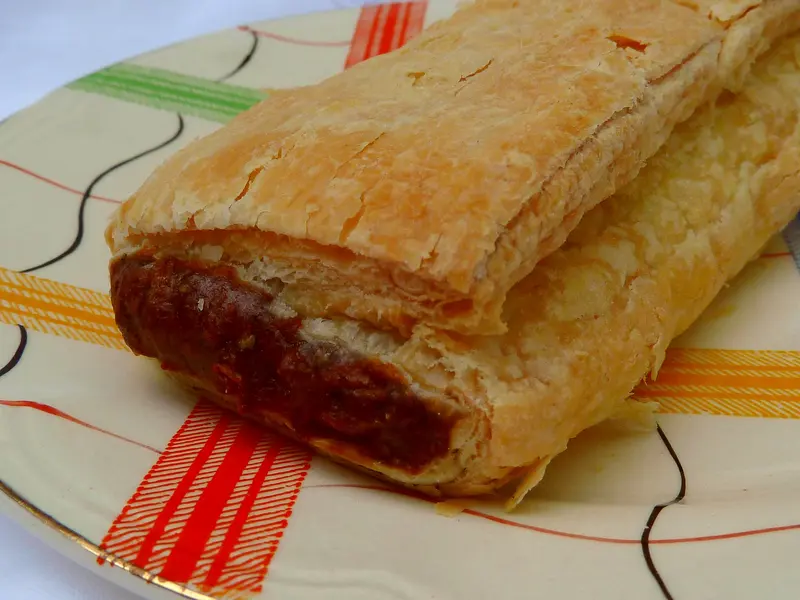
You've picked up a pack of meat-free sausages. It says 'meat free' on the front — but is it vegan? And why does it say 'may contain milk' on the back? Food labels can be confusing, especially when some brands make both vegetarian and vegan versions of the same thing.
Here's how to read them.
Vegan vs vegetarian
Vegetarian food contains no meat or fish, but it can include animal products such as eggs, milk, cheese and honey. Vegan food shouldn't contain any ingredients of animal origin at all.
'Meat free' on its own doesn't tell you which one you've got. Some brands sell vegetarian products that contain egg white or milk alongside vegan ranges that look almost identical. Look for the word 'vegan' on the pack and check the ingredients list.
- Common animal-derived ingredients to spot: egg, milk, whey, casein, butter, cheese, honey, gelatine
- In sauces: anchovies (for example in classic Worcestershire sauce) and fish sauce
Read more: Vegetarian Society: vegetarian vs vegan trademark criteria
What does a 'vegan' label actually mean?
UK government guidance says there is no legal definition of vegan food in UK law, but businesses must label food accurately and not mislead. A 'vegan' label means no ingredients of animal origin were intentionally used in making the product.
That word 'intentionally' matters: vegan products can be made in factories that also handle animal products, so there's a chance of cross-contamination.
Read more: GOV.UK: vegan food labelling
Vegan trademarks
Some products carry an independent vegan trademark. The Vegan Society's Vegan Trademark requires that a product and its ingredients don't involve any animal product, by-product or derivative, and haven't been tested on animals. Registered brands must also minimise cross-contamination as far as is reasonably practicable — for example, by thoroughly cleaning production lines before vegan production.
The Vegetarian Society runs its own Vegetarian Society Approved vegan and vegetarian trademarks. Its vegetarian criteria allow free-range eggs, while its vegan criteria exclude any substance that has originated from an animal.
Read more: The Vegan Society: Vegan Trademark standards · Vegetarian Society: trademark criteria
Why a vegan product can say 'may contain milk'
'May contain' statements are known as precautionary allergen labelling. They warn that traces of an allergen may have got into a product accidentally, and food businesses aren't legally required to use them.
A vegan product can carry a 'may contain milk' warning because it was made somewhere milk is also handled. The Vegan Society explains that its standards require cross-contamination to be minimised but don't demand completely separate facilities — so for vegans, a 'may contain' warning doesn't stop a product being vegan. But if you have an allergy, it matters a lot.
Read more: GOV.UK: allergen labelling · The Vegan Society: allergen vs vegan labelling
If you have a food allergy
Don't rely on a vegan label to keep you safe. UK government guidance says people with allergies to milk, eggs, fish, crustaceans or molluscs shouldn't assume vegan food is safe for them. 'Free-from' labels are different: they're food safety claims that require strict controls. Read the allergen information on every pack — allergens must be emphasised in the ingredients list, for example in bold — and contact the manufacturer if you're unsure.
- The 14 allergens that must be declared: celery, cereals containing gluten, crustaceans, eggs, fish, lupin, milk, molluscs, mustard, nuts, peanuts, sesame seeds, soya beans, and sulphur dioxide or sulphites
Read more: GOV.UK: allergen labelling
Quick questions
Is 'meat free' the same as vegan?
No. 'Meat free' only tells you there's no meat. The product could still contain egg or dairy. Look for the word 'vegan' and check the ingredients.
Is a product with a 'may contain milk' warning still vegan?
It can be. The warning is about possible accidental cross-contamination, not an ingredient. The Vegan Society's standards allow products made in shared facilities as long as cross-contamination is minimised. If you have a milk allergy, though, treat the warning seriously.
Is there a legal definition of vegan in the UK?
No. UK government guidance says there's no legal definition of vegan food, but labels must be accurate and not misleading.
Sources
- GOV.UK: Vegan food labelling
- GOV.UK: Allergen labelling
- The Vegan Society: Vegan Trademark standards
- The Vegan Society: Allergen vs vegan labelling
- Vegetarian Society: Trademark criteria
- The Vegan Society: Definition of veganism
General information only, not personal medical or dietary advice. Last reviewed September 2026.