Guide · updated September 2026
How to Cook Vegan Meat Alternatives: Tips for Maximum Flavour
Practical tips for getting crispy bacon, juicy burgers, golden sausages and properly browned mince from vegan meat alternatives.
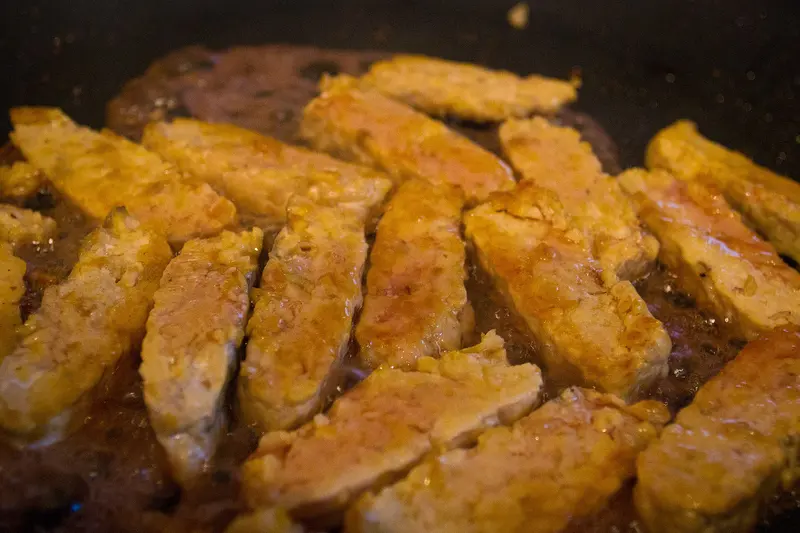
Vegan meat alternatives behave a little differently from meat in the pan. They usually have less fat, they can colour quickly, and some need a helping hand with moisture. Get the technique right, though, and you'll get the crust, the chew and the flavour you're after.
Here's what we've learned about cooking each type — plus the golden rule: always read the pack, because cooking times and methods vary between brands.
The golden rules
Follow the cooking instructions on the pack and make sure food is steaming hot all the way through before you serve it. The Food Standards Agency's advice is to check you can see steam rising from the middle of the food when it's cut, not just the surface.
If you're cooking ahead, cool leftovers and get them into the fridge within two hours, eat them within 48 hours (or freeze them), and only reheat them once.
- Use a hot pan and don't overcrowd it — crowding steams rather than browns
- Add a little more oil than you would for meat, as most alternatives are leaner
- Stay close: vegan products can go from golden to burnt quickly
- Season at the end as well as the start
Read more: Food Standards Agency: Cooking your food
Bacon rashers
Vegan bacon crisps fast. Cook it in a single layer over a medium-high heat with a thin film of oil, and pull it off the heat as soon as the edges catch. A brush of maple syrup in the final seconds gives a sweet-cure finish.
Sausages
Turn sausages often over a medium heat so they brown evenly without splitting. In the oven, a light coating of oil helps them colour. For toad in the hole or a traybake, give them a head start in the hot tin before anything else goes in.
Burgers and mince
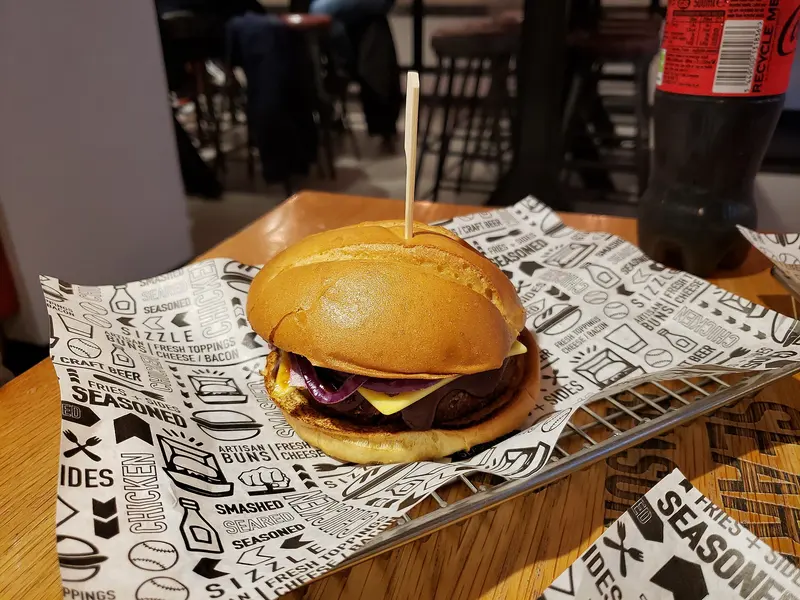
For burgers, a very hot, heavy pan is your best friend. Smash-style patties get a fantastic crust — press them thin between the pan and a sheet of baking paper so they don't stick to your spatula.
When browning mince for a bolognese or chilli, let it sit in the hot pan for a minute before stirring so it picks up colour. That browning adds a lot of savoury depth. A spoonful of tomato purée, soy sauce or miso helps too.
'Chicken' pieces and fillets
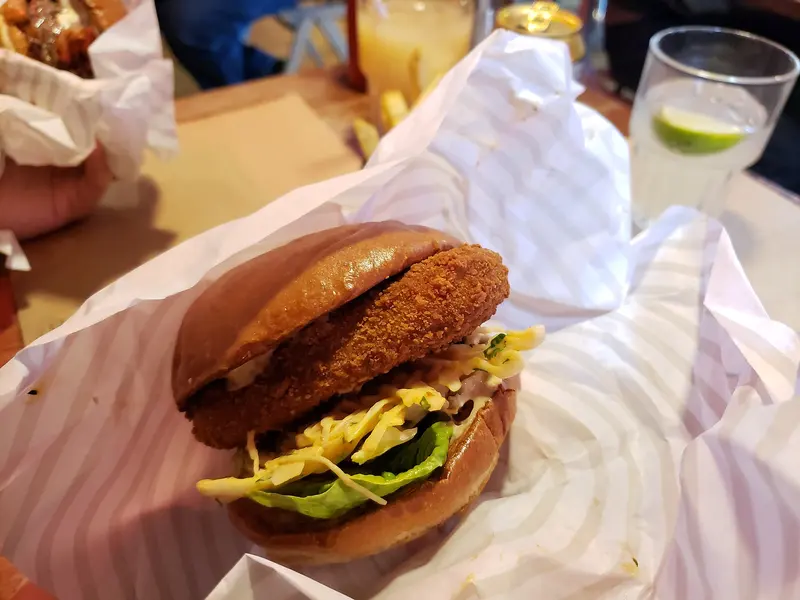
Plain 'chicken' pieces soak up marinades well. Tear rather than slice them for more ragged, crispy edges, and char them in a very hot pan before adding them to a sauce. For fried 'chicken', double-dip in seasoned flour and plant 'buttermilk' for a craggy crust.
Tofu, tempeh, seitan and jackfruit
Some extra-firm tofu is sold ready to cook without pressing — the pack will usually tell you. Softer tofu benefits from a press to squeeze out water so it browns rather than steams.
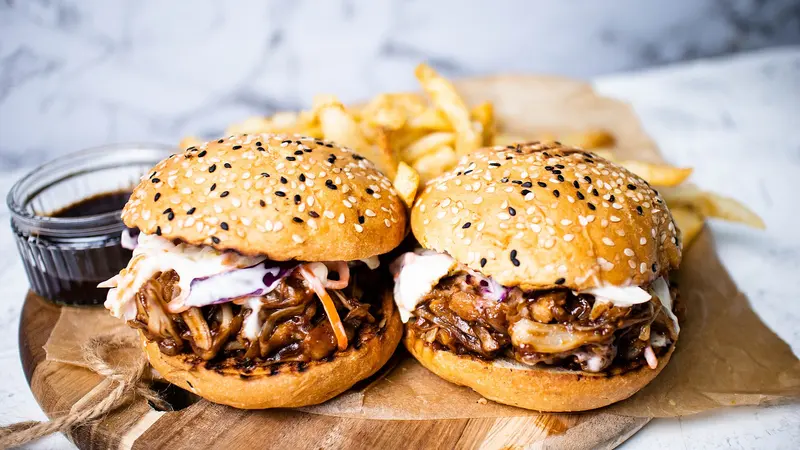
Tempeh needs cooking before eating; one UK brand's pack advice is that it can't be eaten cold straight from the pack. Seitan is dense and chewy, so slice it thinly for kebabs or thickly for a roast. Young jackfruit should be simmered in a sauce, shredded and then roasted for crispy edges.
Read more: Example: plain extra-firm tofu pack advice · Example: tempeh cooking advice
Quick questions
Can I cook vegan meat alternatives from frozen?
Some products are designed to be cooked from frozen and some need defrosting first. The pack will tell you — follow it, and make sure the food is steaming hot all the way through.
Why does my vegan mince go mushy?
Usually because the pan is crowded or not hot enough. Brown it in a hot pan in batches if necessary, and let it sit for a minute before stirring.
Can I use an air fryer?
Many vegan burgers, nuggets and coated fillets crisp up well in an air fryer. Check the pack for air-fryer guidance and make sure everything is piping hot before serving.
Sources
General information only, not personal medical or dietary advice. Last reviewed September 2026.